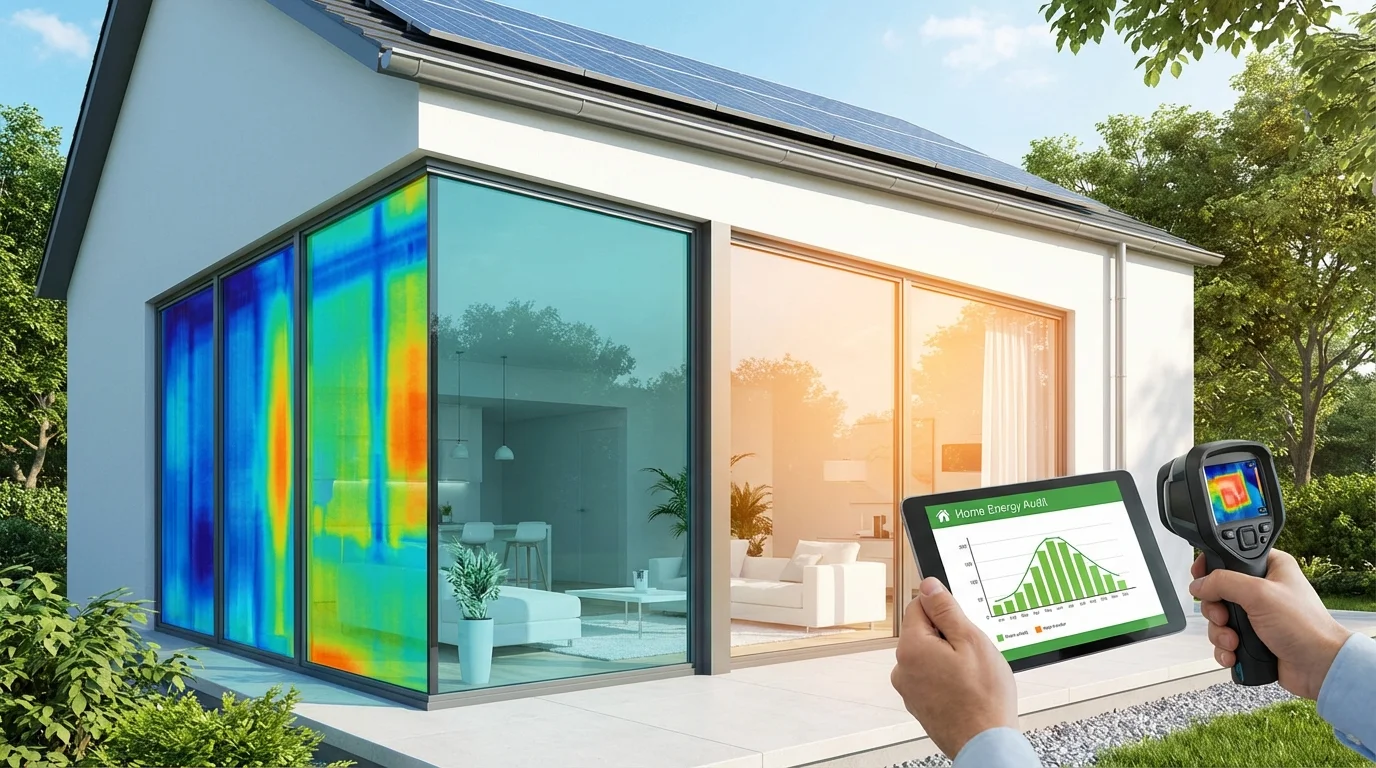
Up to 30% of a home's heating and cooling energy loss occurs through its windows, a constant drain on both utility bills and household comfort. As energy costs continue to climb in 2026, homeowners are seeking cost-effective solutions that deliver immediate results. So addressing this thermal inefficiency isn't just about comfort; it's a direct financial strategy to lower monthly expenses without a full-scale renovation.
What's the Typical Cost of Window Film Installation and Its ROI Payback Period?
Window film installation costs are a direct function of film type and window area, averaging $5 to $15 per square foot in 2026. This price includes professional labor, which accounts for 40-50% of the total project cost and ensures a bubble-free application with a valid warranty.
The total cost for a typical 1,500-square-foot home with 15 standard windows ranges from $1,125 to $3,375. But the return on investment (ROI) is often realized within 2 to 5 years through reduced energy bills. So for homes in warmer climates, the payback period is faster, often under 3 years, due to a 45% reduction in solar heat gain during peak summer months. And many homeowners find that the initial outlay is quickly offset by lower HVAC usage and improved home comfort. The investment also qualifies for various local utility rebates and federal energy tax credits, which further shortens the ROI period.
How Can I Qualify for Rebates: Eligible Specs, Efficiency Ratings, and Brands?
Qualifying window film for 2026 rebates requires specific performance metrics, primarily a Solar Heat Gain Coefficient (SHGC) of 0.40 or lower and a U-factor of 0.90 or less. These ratings, certified by the National Fenestration Rating Council (NFRC), dictate the film's energy-saving capabilities.
To receive a rebate, homeowners must install film that meets these technical specifications. And leading brands like 3M, Eastman (LLumar/Vista), and Avery Dennison offer extensive product lines that meet or exceed these NFRC standards. So when applying for rebates, you'll need the NFRC-certified product fact sheet and a detailed invoice from the installer. But not all products from these brands will qualify; the specific film model must be on the approved product list for your local utility program or the federal IRA tax credit. You can check your potential savings with our free rebate calculator.
Is Window Film an Effective Energy Saver for My Specific Climate Zone?
Window film effectiveness varies directly with the local climate zone, with spectrally selective films offering the best performance in hot, sunny regions. These films reject up to 60% of solar heat while allowing 70% of visible light, reducing cooling costs by up to 30% in zones 1-3.
But in colder climates (zones 4-7), low-emissivity (Low-E) films are more effective. And these films reduce heat loss by reflecting indoor heat back into the room, cutting heating costs by 10-15% during winter months. So while all climates benefit, the financial payback is fastest in regions with high cooling demands. The U.S. Department of Energy provides detailed guidance on selecting window treatments based on your geographic location.
"In warmer climates, the benefits of window films are felt immediately, with a reduction in solar heat gain that can lower air conditioning costs. In colder climates, they can help retain heat, although the savings are typically less pronounced." — U.S. Department of Energy
How Does Window Film Compare to Other Window Energy-Saving Alternatives?
Window film is a cost-effective alternative to full window replacement, offering 75-80% of the energy savings for just 10-20% of the cost. A full window replacement averages $800 per window, whereas professional film installation is closer to $100-$150 per window.
And while new double-pane, low-e windows provide superior insulation with U-factors as low as 0.25, window film can upgrade existing single-pane windows to perform like double-pane units for a fraction of the price. So compared to options like storm windows or solar screens, window film offers year-round savings and UV protection without obstructing views. But its lifespan is shorter than a new window's. A comprehensive home energy audit will identify if windows are your primary source of energy loss.
| Feature | Window Film | New Low-E Windows | Storm Windows |
|---|---|---|---|
| Upfront Cost | $5 - $15 / sq. ft. | $40 - $75 / sq. ft. | $10 - $25 / sq. ft. |
| Energy Savings | 10% - 30% | 25% - 40% | 15% - 30% |
| Lifespan | 10 - 15 years | 20 - 25 years | 15 - 25 years |
| Installation | Professional Recommended | Professional Required | DIY or Professional |
What's the Lifespan of Window Film and What Maintenance Does It Need?
Professionally installed interior window film has a typical lifespan of 10 to 15 years, with many manufacturers offering warranties covering that period against peeling, cracking, or demetallizing. Exterior-applied films have a shorter lifespan of 5 to 7 years due to direct exposure to weather.
Maintenance is minimal and straightforward. But you must wait 30 days after installation before cleaning to allow the adhesive to fully cure. So after that period, clean the film using a soft cloth or rubber squeegee and a simple solution of water with a few drops of mild dish soap. And it's critical to avoid abrasive cleaners, ammonia-based products, or rough paper towels, as they will scratch the film's protective coating, voiding the warranty and reducing its effectiveness. Regular, gentle cleaning preserves clarity and performance for the film’s entire service life.
Official Sources
- ENERGY STAR Window Films — Official certification and performance criteria for energy-efficient window films.
- DSIRE Database — A comprehensive, state-by-state database of renewable energy and energy efficiency incentives, including window film rebates.
Related Reading: Learn more about Hvac Maintenance Energy Savings and Programmable Thermostat Energy Savings.
Frequently Asked Questions
What types of window film offer the most energy savings?
Spectrally selective and low-emissivity (Low-E) films provide the highest energy savings. Spectrally selective films are ideal for hot climates, blocking up to 60% of solar heat. Low-E films work best in cold climates by reflecting up to 90% of indoor heat back into the room, reducing heating costs.
How much can I expect to save on my energy bills by installing window film?
Homeowners can expect to save between 10% and 30% annually on heating and cooling costs after installing energy-efficient window film. In hot climates, the savings are often on the higher end of this range, with some households reporting a 30% reduction in their summer electricity bills.
Is professional installation required to maximize window film energy savings?
Yes, professional installation is necessary to ensure maximum performance and warranty coverage. Professionals use specific techniques to prevent bubbles, peeling, and contamination, ensuring the film's adhesive cures correctly. DIY installations often void the manufacturer's warranty, which can last up to 15 years for professionally installed products.
How quickly do window films start providing energy savings after installation?
Window films begin providing energy savings immediately after the 30-day curing period is complete. The film's properties for reflecting solar heat or retaining indoor heat are active as soon as it is applied. Homeowners typically notice a reduction in HVAC system runtime and a more stable indoor temperature within the first month.
How does the energy efficiency of window film compare to replacing windows?
Window film offers approximately 75% of the energy savings of a full window replacement but at only 10-20% of the cost. While new double-pane windows have a superior U-factor (insulation), applying a modern low-e film to an existing single-pane window can deliver performance comparable to an older, un-coated double-pane window.
Unlock Your Window Film Savings
Don't guess what rebates you qualify for. Our tools provide precise, location-based incentive data for your home improvement projects.
Calculate Your Rebates NowUpdated: April 14, 2026 — fact-checked by DuloCore Research. About our editorial process.
Check your California insulation rebate eligibility — see the programs you qualify for and the dollar amounts on our California insulation rebate finder.