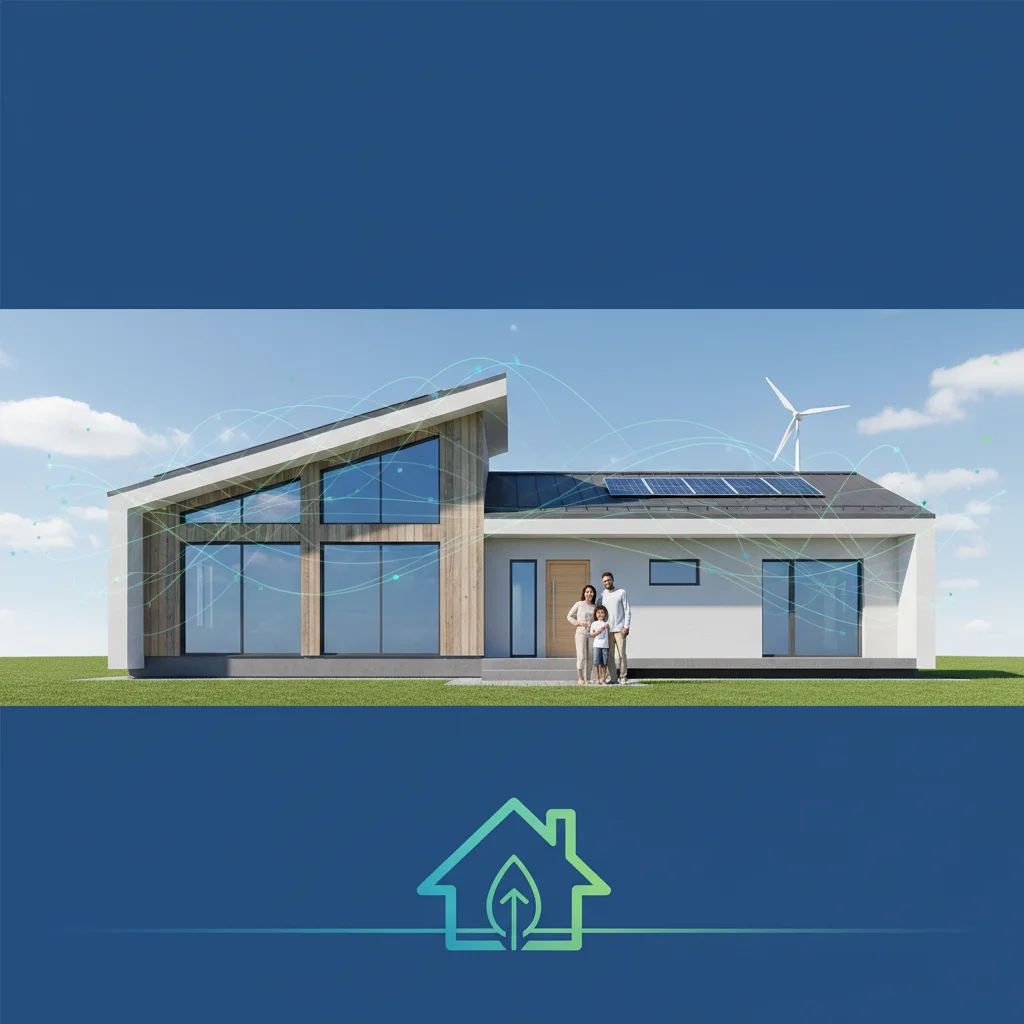
Over 6 million low-income households in the United States qualify for free home energy upgrades through federally funded weatherization programs, yet 80% never apply. These programs deliver an average of $8,000 in equipment and labor at zero cost to homeowners, reducing heating and cooling bills by 25-35% annually.
What Weatherization Programs Are Available in My State?
The U.S. Department of Energy Weatherization Assistance Program (WAP) operates in all 50 states, Washington D.C., and U.S. territories through a network of 900+ local agencies. State programs receive federal funding and add state-specific rebates, creating unique benefit packages. And each state sets its own income limits and eligible equipment lists. But the core program covers insulation, air sealing, furnace repair or replacement, duct sealing, and weatherstripping at no cost to qualifying households. Some states like California and New York layer additional rebates for heat pump installations, window replacement, and smart thermostats on top of the federal baseline.
Find your local weatherization office through the DSIRE database or contact your state energy office directly. Most programs prioritize elderly residents, families with children, and households with disabled members.
How Much Money Can I Get from Weatherization Rebates?
The average weatherization project delivers $8,000 in materials and labor per home, with some states authorizing up to $12,000 for homes with high energy burdens. This isn't a rebate you claim later—contractors perform the work at zero cost to you. The program pays for energy audits, equipment installation, and post-installation testing. So a typical project includes $2,500 in attic insulation, $1,800 in air sealing, $2,000 for furnace tune-up or replacement, and $1,200 for duct sealing.
"The Weatherization Assistance Program has saved low-income families more than $15.8 billion on their energy bills since 1976." — U.S. Department of Energy
And the savings compound year after year. A household spending $2,400 annually on heating and cooling drops to $1,560 after weatherization, saving $840 per year for the 15-20 year lifespan of the upgrades.
Am I Eligible? Income Limits and Equipment Requirements Explained
WAP serves households earning at or below 200% of the federal poverty level. For a family of four in 2026, that's $60,000 or less in annual gross income. Single individuals qualify at $30,000 or less. But income isn't the only factor—households receiving SNAP, TANF, or Supplemental Security Income automatically qualify regardless of income documentation.
Equipment eligibility depends on energy audit results. Auditors test for air leakage, measure insulation levels, and evaluate heating system efficiency. And the program only installs equipment that meets cost-effectiveness standards—typically measures with payback periods under 10 years. Most homes qualify for insulation, air sealing, and HVAC tune-ups. Homes with furnaces older than 20 years or operating below 75% efficiency qualify for replacement.
Check your state's specific income limits and equipment rules through your local weatherization agency.
What's the Application Process and How Long Does It Take?
The process starts with a phone call or online application to your local weatherization agency. You'll submit income documentation (tax returns, pay stubs, or benefit letters), schedule a home energy audit, and wait for approval. And the wait time varies dramatically by state and funding availability—some households get audited within 30 days, others wait 6-18 months.
Once approved, contractors schedule installation work that takes 3-7 days for most homes. The agency handles all contractor coordination, permitting, and post-installation testing. So homeowners don't pay, sign contracts, or manage subcontractors. The program covers everything.
Applications submitted in January-March typically move faster because demand drops after winter heating season. But funding runs year-round, so apply whenever your household qualifies.
What Are the Current Funding Deadlines for 2026?
The Weatherization Assistance Program operates on a federal fiscal year (October 1 - September 30) with continuous appropriations. There's no application deadline—agencies accept applications year-round and process them in priority order based on household vulnerability. But funding isn't unlimited. Most states exhaust their annual allocation by June or July, forcing households to wait until the next federal funding cycle.
And the Infrastructure Investment and Jobs Act added $3.5 billion in supplemental weatherization funding through 2026, expanding program capacity. Some states received 2-3 times their normal allocation. So 2026 represents peak funding availability before the supplemental dollars expire.
Apply early in the calendar year for the fastest processing. Households applying in January-April face the shortest wait times.
Can I Stack Multiple Weatherization Rebates Together?
Weatherization assistance doesn't stack with other federal programs because it's a grant, not a tax credit or rebate. You can't combine WAP with federal energy tax credits on the same equipment because you didn't pay for the equipment. But you can use other programs before or after weatherization on different upgrades.
Example: A household receives free insulation and furnace repair through WAP, then self-funds a heat pump installation later and claims federal tax credits. The programs don't overlap on the same equipment, so stacking is allowed. And some utility companies offer additional rebates on top of weatherization for specific measures like LED lighting or smart thermostats. Check with your utility before installation.
Use our free rebate calculator to model different program combinations and maximize your total savings.
What Contractors Are Approved to Install My Weatherization Equipment?
Your local weatherization agency maintains a network of pre-qualified contractors who bid on projects. Homeowners don't select contractors—the agency assigns them based on geographic coverage and workload capacity. And these contractors meet specific training requirements: BPI or RESNET certification for energy auditors, EPA Lead-Safe certification for homes built before 1978, and state-specific contractor licensing.
The agency inspects all work before and after installation. Poor workmanship triggers re-work at the contractor's expense. So quality standards exceed typical residential construction because federal funding requires documented energy savings.
Contractors work directly for the agency, not the homeowner. All scheduling, change orders, and warranty issues flow through the agency office. Homeowners approve the work plan but don't manage the project.
Official Sources
- DOE Weatherization Assistance Program — Federal program overview, funding levels, and state contact information
- DSIRE Database — Comprehensive state-by-state directory of weatherization agencies and local rebates
- Energy.gov Energy Saver — Free weatherization guides and cost-effectiveness calculators
Frequently Asked Questions
What weatherization programs are available in my area?
The U.S. Department of Energy Weatherization Assistance Program operates through 900+ local agencies nationwide. Every state, Washington D.C., and U.S. territories participate. Contact your state energy office or search the DSIRE database to find your local agency. Most urban areas have multiple agencies serving different zip codes. Rural areas typically have one regional agency covering multiple counties. Average funding per household is $8,000 for equipment and labor at zero cost to qualifying homeowners.
How much money can I get from a weatherization program?
The average weatherization project delivers $8,000 in free equipment and labor, with some states authorizing up to $12,000 for homes with high energy burdens. This covers insulation ($2,000-$3,000), air sealing ($1,500-$2,000), furnace repair or replacement ($1,500-$3,500), duct sealing ($800-$1,500), and weatherstripping ($300-$600). And the program pays contractors directly—homeowners never receive a check or claim a rebate. Savings average $840 per year on heating and cooling bills.
Am I eligible for a weatherization program?
Households earning at or below 200% of the federal poverty level qualify. For 2026, that's $60,000 or less for a family of four, or $30,000 or less for single individuals. Households receiving SNAP, TANF, or Supplemental Security Income automatically qualify regardless of income. And the program prioritizes elderly residents, families with children under age 6, and households with disabled members. Home ownership isn't required—renters qualify with landlord permission. Verify your state's specific income limits through your local weatherization agency.
How long does it take to get weatherization assistance?
Wait times range from 30 days to 18 months depending on state funding levels and application volume. Applications submitted in January-March typically process faster because demand drops after winter heating season. Once approved, contractors schedule installation work that takes 3-7 days for most homes. And the agency handles all permitting, contractor coordination, and post-installation testing. Households in priority groups (elderly, disabled, families with young children) move to the front of the queue regardless of application date.
What's the difference between weatherization and energy efficiency programs?
Weatherization targets low-income households through federally funded grants that cover 100% of project costs with no homeowner payment. Energy efficiency programs target all income levels through tax credits and utility rebates that reimburse 30-50% of homeowner costs. Weatherization covers basic measures (insulation, air sealing, furnace tune-ups). Energy efficiency programs cover advanced equipment (heat pumps, solar panels, battery storage). And weatherization uses priority waitlists based on household vulnerability, while energy efficiency programs operate first-come, first-served or until funding exhausts.
Ready to see what other rebates you qualify for? Use our free rebate calculator to discover federal tax credits, utility rebates, and local incentives for heat pumps, insulation, windows, and more. Get your personalized estimate in under 60 seconds.
Updated on April 14, 2026. Fact-checked by DuloCore Editors. About our research team.