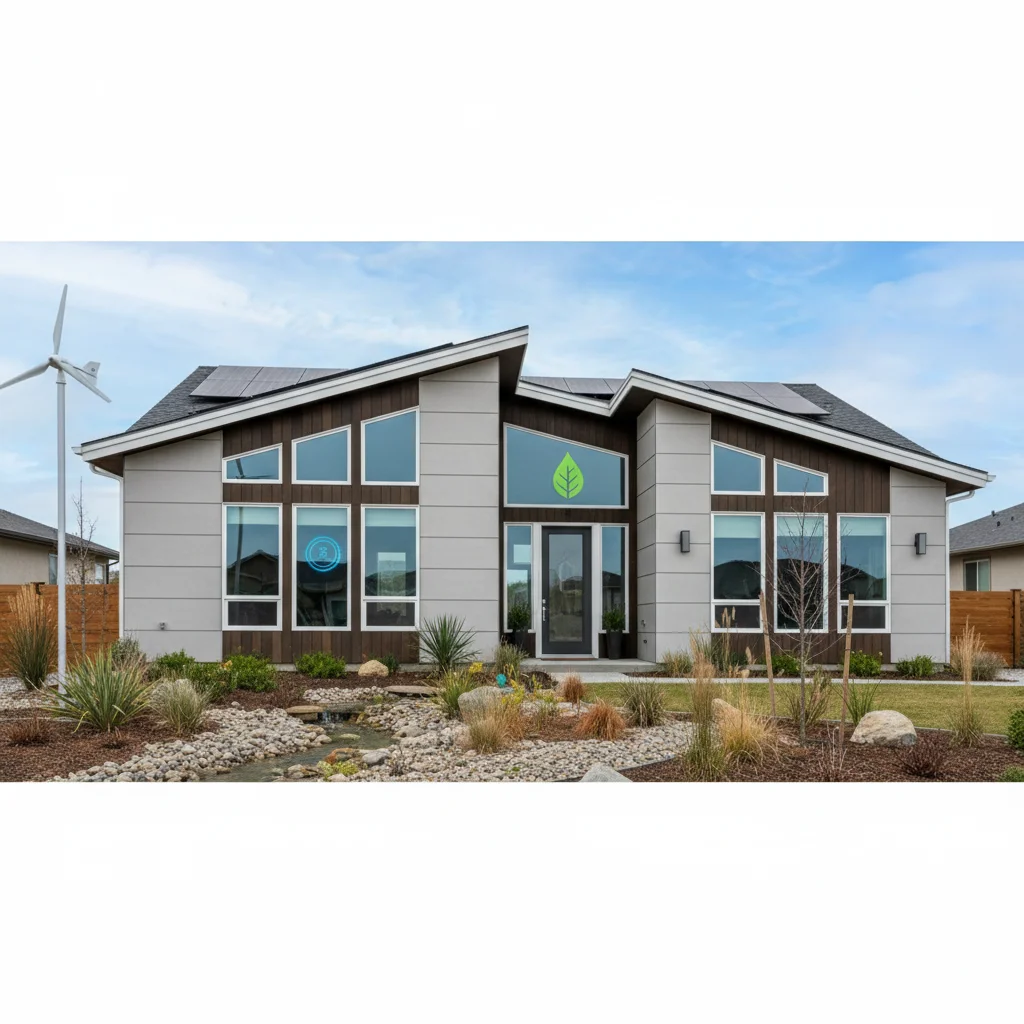
More than 6 million low-income households in the U.S. spent over 20% of their income on energy bills in 2025. And the Weatherization Assistance Program (WAP), funded through the Department of Energy, has upgraded 7.4 million homes since 1976 — cutting energy bills by an average of $283 per year. But in 2026, program funding varies wildly by state, and application backlogs can stretch 12 to 18 months in high-demand regions.
How much can you get from weatherization assistance programs?
The Weatherization Assistance Program provides an average of $7,500 per household in 2026, with a federal cap of $8,000 for eligible improvements. So DOE allocates funds to states based on heating degree days, cooling degree days, and low-income population — meaning Alaska receives $12,000 per home while Florida averages $5,200.
State and utility programs stack on top of federal WAP dollars. And in New York, the EmPower+ program adds $5,000 to $15,000 for heat pump installations when combined with WAP funds. But California's Energy Savings Assistance Program offers $0 to $9,000 depending on home size and climate zone — not tied to WAP at all.
"The average Weatherization Assistance Program household saves $283 per year in energy costs, with a benefit-to-cost ratio of 1.9 over the lifetime of weatherization measures." — U.S. Department of Energy
Use our free rebate calculator to estimate your total savings from federal, state, and utility rebates.
What equipment qualifies for weatherization assistance rebates?
Weatherization Assistance Program funds cover insulation, air sealing, heating system repairs or replacements, duct sealing, and refrigerator replacements in 2026. So DOE prioritizes measures with the shortest payback period — typically attic insulation ($1.50/sq ft) and air sealing ($0.80/linear ft).
Heat pumps qualify under WAP when replacing furnaces rated below 80% AFUE or air conditioners under 13 SEER. And ductless mini-splits average $6,200 installed cost per zone, while whole-home systems range from $12,000 to $18,000. But WAP does not cover solar panels, battery storage, or EV chargers — those fall under separate energy tax credits programs.
States set additional equipment restrictions. Or in Michigan, WAP funds water heater replacements only if the existing unit is over 10 years old and fails an efficiency test. And Massachusetts requires blower door testing before and after work to verify 15% air leakage reduction.
What's the income limit to qualify for weatherization assistance?
Federal Weatherization Assistance Program eligibility is capped at 200% of the federal poverty level in 2026 — $30,120 for a single person or $62,400 for a family of four. So a household of two earning $40,880 or less qualifies, while a family of six can earn up to $87,840.
But 15 states set lower thresholds. And California limits WAP to households at or below 60% of state median income — $54,900 for a family of four in Los Angeles County. Or Texas uses 125% of the federal poverty level for initial screening, then prioritizes elderly residents and families with children under age 6.
Applicants receiving SNAP, TANF, or Supplemental Security Income automatically qualify regardless of income. And veterans' disability benefits, child support, and Social Security payments count toward gross income calculations in 32 states.
How do you apply for weatherization assistance in your state?
Weatherization Assistance Program applications are processed through local community action agencies, not the Department of Energy. So applicants in Ohio contact one of 47 regional agencies, while New York funnels all applications through 76 county-level offices.
Wait times averaged 14 months in 2025 across all states. And Pennsylvania's backlog stretched to 22 months due to $180 million in demand versus $42 million in allocated funds. Or Oregon reduced wait times to 8 months by hiring 60 additional auditors and inspectors in 2024.
Applications require proof of income (two pay stubs or last year's tax return), utility bills from the past 12 months, and property ownership documents or landlord consent. But renters must submit a signed letter from the property owner agreeing to allow weatherization work — a requirement that blocks 18% of otherwise eligible applicants.
Find your local agency and start your application at the DSIRE USA database.
What are the current funding status and application deadlines?
The Weatherization Assistance Program received $3.5 billion in federal appropriations for fiscal year 2026, distributed across all 50 states, D.C., territories, and tribal governments. So Alaska received $22 million, while California was allocated $298 million based on climate and population factors.
Funding runs on a rolling basis with no annual deadline. And once state allocations are exhausted, applicants roll into the following year's queue. But 22 states paused new applications in Q4 2025 due to depleted funds — including Wisconsin, North Carolina, and Nevada.
"Weatherization Assistance Program funding is allocated based on a formula that considers heating and cooling degree days, low-income population, and residential energy expenditures." — DOE Weatherization Assistance Program
Check funding status with your state energy office before applying — not all agencies update their websites when funds run out.
Can you stack weatherization assistance with other rebate programs?
Weatherization Assistance Program funds can be stacked with most state and utility rebates in 2026, but federal tax credits apply only to out-of-pocket costs. So a homeowner who receives $7,500 from WAP and pays $4,500 for a $12,000 heat pump can claim the federal 30% credit on the $4,500 — not the full $12,000.
State programs vary. And Massachusetts allows WAP recipients to access Mass Save heat pump rebates of $10,000 to $16,000 on top of federal funds. Or Michigan's MI Saves loan program provides $0 interest financing for the homeowner's portion after WAP covers initial costs.
Heat pump rebates from utilities often require separate applications and contractor certifications. But New York's EmPower+ program automatically coordinates with WAP — applicants submit one form for both funding streams.
What contractor requirements must be met for weatherization work?
All Weatherization Assistance Program work must be performed by DOE-certified contractors who complete a minimum of 32 hours of training and pass quality control inspections. So contractors submit work plans to local agencies before starting, then undergo post-installation inspections on 100% of jobs in 18 states or random 15% sampling in others.
And contractors must carry liability insurance of at least $1 million, workers' compensation coverage, and maintain certifications from the Building Performance Institute or Residential Energy Services Network. Or states like Colorado require contractors to complete blower door diagnostics and submit thermal imaging reports for every weatherization project.
Homeowners cannot hire their own contractors for WAP-funded work. But if an applicant wants additional upgrades beyond the approved scope, they can pay for those separately using the assigned contractor or a different licensed professional.
Official Sources
- DOE Weatherization Assistance Program — Federal program overview, state allocations, and eligibility criteria
- DSIRE USA — State-by-state database of energy rebates, tax credits, and weatherization programs (note: the federal 25C and 25D credits ended for projects completed after December 31, 2025)
Related Reading: Learn more about Who Qualifies for the Weatherization Assistance Program in 2026?.
Related Reading: Learn more about Weatherization Assistance Program Eligibility.
Frequently Asked Questions
Who is eligible for the weatherization assistance program?
Households earning at or below 200% of the federal poverty level qualify for the Weatherization Assistance Program in 2026 — $30,120 for one person or $62,400 for a family of four. And recipients of SNAP, TANF, or Supplemental Security Income automatically qualify regardless of income. But 15 states set lower thresholds, and renters must obtain written landlord consent before applying.
What is the maximum amount you can receive from weatherization assistance?
The federal Weatherization Assistance Program caps funding at $8,000 per household in 2026, with an average award of $7,500 across all states. So Alaska provides up to $12,000 per home due to extreme heating costs, while Florida averages $5,200 based on climate zone. And state or utility programs can add $5,000 to $15,000 on top of federal WAP funds.
How long does it take to get weatherization assistance approved?
Weatherization Assistance Program applications averaged 14 months from submission to completed work in 2025, with state-level variation from 8 months in Oregon to 22 months in Pennsylvania. So applicants in high-demand states face longer backlogs when annual funding runs out. And priority is given to elderly residents, families with children under 6, and households with disabled members.
What is the difference between weatherization assistance and energy assistance programs?
Weatherization Assistance Program funds permanent home upgrades like insulation and heat pumps, while energy assistance programs (LIHEAP) provide one-time utility bill payments. So WAP delivers an average of $283 per year in ongoing savings, while LIHEAP grants range from $300 to $1,200 annually for heating or cooling bills. And households can receive both benefits simultaneously without income stacking penalties.
Can renters apply for weatherization assistance programs?
Renters qualify for the Weatherization Assistance Program if they meet income requirements and obtain written consent from the property owner. So landlords must agree to allow weatherization work and commit to not raising rent for 12 months after installation in 28 states. But 18% of otherwise eligible renter applicants are denied due to landlord refusal or lack of response.
Ready to find out how much you can save? Use our free rebate calculator to discover federal, state, and utility rebates available for your home in 2026.
Last updated: April 14, 2026. Reviewed by the DuloCore Editorial Team. About our authors.