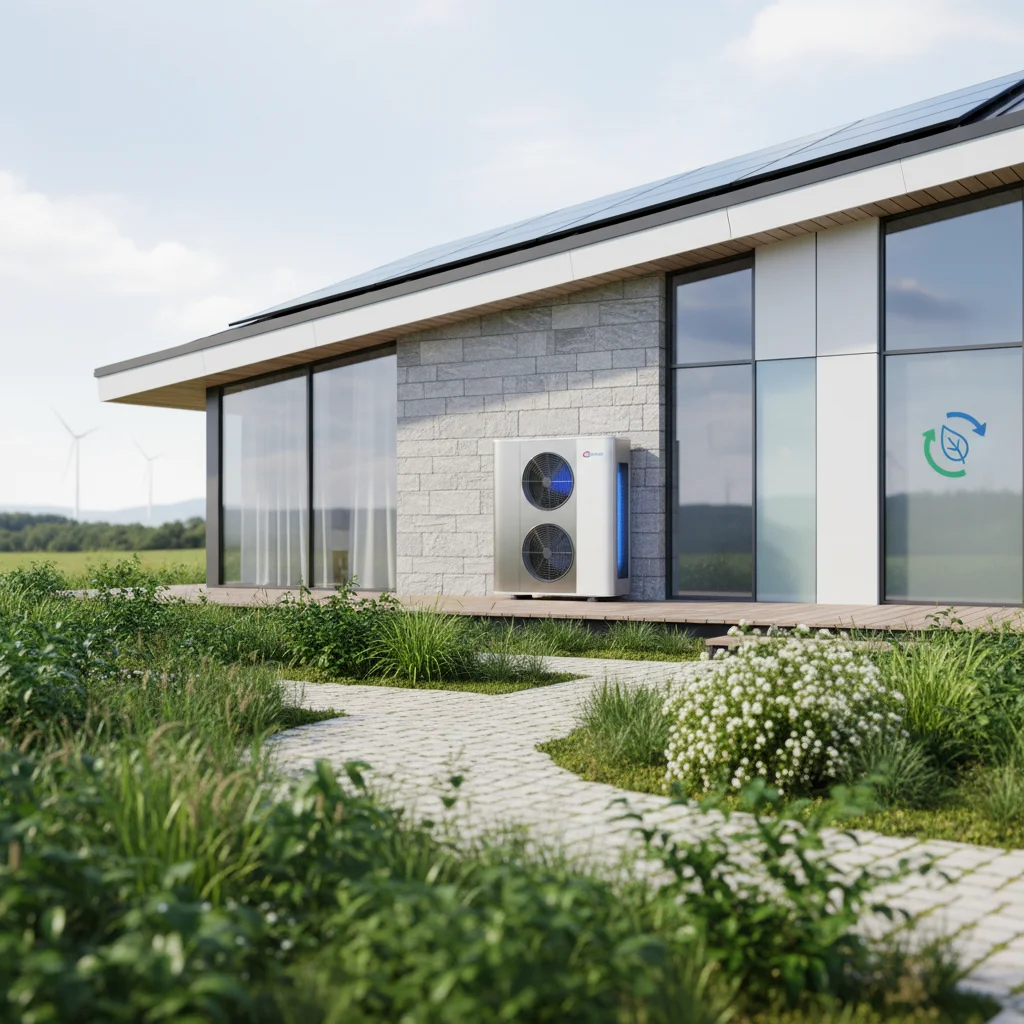
American homeowners left $14.5 billion in energy rebates unclaimed in 2025, with heat pump incentives accounting for the largest share of abandoned savings. In 2026, federal IRA programs combined with state and utility rebates can cut heat pump installation costs by $8,000 to $14,000 for qualifying households—but only 23% of eligible homeowners actually submit applications before deadlines expire.
What Heat Pump Rebates Are Available in 2026 and How Much Can You Save?
Heat pump rebates in 2026 include federal IRA Home Efficiency Rebates up to $8,000, federal Home Electrification Rebates up to $8,000, IRS Energy Efficient Home Improvement Credits worth 30% of costs (capped at $2,000 annually), and state-level programs ranging from $500 to $5,000 per installation across 43 participating states.
The federal Home Efficiency Rebates program targets whole-home energy upgrades. Households earning below 80% of area median income qualify for rebates covering up to 100% of project costs, with an $8,000 maximum for heat pump installations. And households between 80% and 150% of median income receive up to 50% back, capped at $4,000.
The Home Electrification and Appliance Rebates (HEAR) program operates separately. Low-income households can claim up to $8,000 for heat pump installations, while moderate-income families qualify for $4,000. But these programs don't stack—homeowners choose one federal rebate path, not both.
State programs add another layer. California's TECH Clean California offers $3,000 per heat pump installation for qualifying households. New York's Clean Heat program provides up to $5,000 for cold-climate heat pumps rated to -15°F. And Massachusetts Heat Loan programs combine $10,000 zero-interest loans with $500 instant rebates at point of sale.
So the maximum theoretical stack in high-incentive states reaches $14,000 when combining federal rebates ($8,000), state programs ($5,000), and utility incentives ($1,000). Real-world savings typically land between $6,500 and $9,200 after navigating eligibility restrictions and program caps.
"The Home Efficiency Rebates program will save families an average of $700 to $1,000 per year on energy bills while creating 50,000 jobs in the energy efficiency sector." — U.S. Department of Energy
Who Qualifies for Heat Pump Rebates in 2026?
Federal heat pump rebate eligibility in 2026 depends on household income relative to area median income (AMI), equipment efficiency ratings meeting ENERGY STAR Most Efficient 2026 criteria, installation in single-family homes or multifamily buildings with four or fewer units, and existing primary heating systems being replaced rather than new construction applications.
Income thresholds create three tiers. Households below 80% AMI qualify for maximum federal rebates covering 100% of costs up to program caps. Families between 80% and 150% AMI receive reduced rebates covering 50% of costs. And households above 150% AMI don't qualify for income-based rebates but can still claim the 30% federal tax credit through 2032.
Equipment specifications matter more in 2026 than previous years. Heat pumps must achieve HSPF2 ratings of 8.1 or higher for air-source models. Geothermal systems require EER ratings of 16+ and COP values of 3.6+ for closed-loop configurations. But mini-split systems face stricter thresholds—SEER2 values must exceed 16 to qualify for federal programs.
Homeownership isn't always required. Federal HEAR programs allow landlords to claim rebates for rental properties if they maintain affordable housing covenants for five years post-installation. State programs vary—New York requires owner-occupancy, while California extends rebates to verified renters who obtain landlord consent in writing.
Pre-existing system requirements disqualify new construction. Properties must be replacing electric resistance heat, oil furnaces, propane systems, or natural gas equipment installed before January 1, 2023. So homes built after 2022 can't access income-based rebates, though they remain eligible for the 30% federal tax credit if installing qualifying equipment.
What's the Step-by-Step Application Process for Heat Pump Rebates?
The 2026 heat pump rebate application process requires homeowners to verify income eligibility through state rebate aggregators, obtain pre-approval before installation for amounts exceeding $2,000, hire certified contractors from state-approved installer lists, submit applications within 90 to 180 days post-installation depending on program, and provide receipts, energy audits, and contractor certifications through designated online portals.
And the process starts before installation. Most state programs require pre-approval for projects exceeding $2,000—applications submitted after installation get rejected automatically. Homeowners create accounts on state energy office portals, upload tax returns or W-2s demonstrating income eligibility, and receive approval codes typically within 10 to 15 business days.
Contractor selection comes next. Federal programs mandate installers hold active HVAC licenses plus completed training through state-designated providers. But only 38% of licensed contractors had completed required 2026 certification modules as of March 2026, creating bottlenecks in high-demand markets. Homeowners verify contractor eligibility through state lookup tools before signing contracts.
Installation triggers documentation requirements. Contractors must provide itemized invoices separating equipment costs from labor, manufacturer specification sheets proving ENERGY STAR compliance, and signed certifications that removed equipment was operational before replacement. So homeowners photograph old systems before removal to prevent disputes during application review.
Post-installation applications move to state rebate aggregators—centralized agencies processing federal and state incentives simultaneously. Typical review periods span 30 to 45 days. Payment methods vary: some states issue checks within 60 days, others credit utility accounts over 12 months, and a few offer instant point-of-sale discounts through participating contractors who front rebate amounts.
"Rebate processing times average 6-8 weeks for complete applications, but incomplete submissions can delay payment by 90-120 days." — ENERGY STAR
What Documentation Do You Need to Apply for a Heat Pump Rebate?
Heat pump rebate applications in 2026 require signed contractor invoices with itemized costs, AHRI certification numbers proving equipment efficiency ratings, pre-installation energy audit reports for projects claiming Home Efficiency Rebates, federal tax returns or pay stubs from the most recent calendar year, photographs of removed equipment, and utility bills covering the 12 months before installation.
Itemized invoices must separate equipment from labor. Federal programs reject applications listing only total project costs without breakdowns. Invoices include make and model numbers, AHRI reference numbers confirming ENERGY STAR certification, installation dates, and contractor license numbers. But handwritten receipts don't qualify—state systems require digitally generated invoices from licensed businesses.
Energy audits create the highest documentation barrier. Home Efficiency Rebates require pre-installation audits from BPI-certified professionals costing $300 to $500. Audits document baseline energy consumption, identify efficiency improvements beyond heat pumps, and project post-installation savings. So homeowners pursuing maximum rebates add audit costs to upfront expenses, though some state programs reimburse audit fees separately.
Income verification demands differ by program tier. Households below 80% AMI submit complete tax returns including all schedules and W-2 attachments. Families between 80% and 150% AMI provide 1040 forms plus two recent pay stubs. And self-employed applicants submit Schedule C forms covering the most recent tax year, with supplemental bank statements if income documentation appears incomplete.
Utility bills prove property occupancy and baseline consumption. Programs require 12 consecutive months of bills in the applicant's name at the installation address. So homeowners who moved within the past year face additional verification steps, often needing landlord statements or closing documents confirming residency duration.
Photographic evidence prevents fraud. State systems mandate time-stamped photos of existing heating equipment before removal, showing model numbers and operational status. Post-installation photos document new heat pump installations including outdoor condensers, indoor air handlers, and thermostat interfaces. Applications without complete photo documentation get flagged for manual review, adding 15 to 30 days to processing times.
Check your eligibility and estimate your total savings with our free rebate calculator to see which documentation you'll need.
Do You Need Pre-Approval Before Installing Your Heat Pump?
Pre-approval requirements for heat pump rebates in 2026 vary by program: federal Home Efficiency Rebates mandate pre-approval for all projects, federal HEAR programs require pre-approval only when rebate amounts exceed $2,000, state programs enforce pre-approval rules in 31 of 43 participating states, and utility rebates split between instant point-of-sale discounts and post-installation applications requiring no advance approval.
Federal Home Efficiency Rebates enforce strict pre-approval. Applications submitted after installation get denied automatically with no appeals process. Homeowners complete pre-approval applications including energy audit reports, contractor bids, and equipment specifications. And approval timelines average 12 to 18 business days, though backlogs in California and New York stretched to 35 days during peak season in early 2026.
HEAR programs use dollar thresholds. Projects under $2,000 allow post-installation applications within 180 days of completion. But installations claiming $2,000 to $8,000 require advance approval with documented contractor quotes and income verification. So homeowners replacing only outdoor condensers might avoid pre-approval, while whole-home installations always trigger mandatory advance review.
State-level rules create geographic confusion. Texas and Florida allow post-installation applications for all rebate amounts. Massachusetts requires pre-approval for projects exceeding $1,500. And Oregon implemented a hybrid system—pre-approval required for income verification, but equipment specifications can be submitted post-installation if contractors provide compliance certifications.
Utility programs offer the most flexibility. Many utilities process rebates through point-of-sale systems where contractors apply instant discounts at installation, submitting rebate claims directly to utilities without homeowner involvement. But utilities typically cap instant rebates at $500 to $1,000, requiring separate applications for larger amounts that combine utility incentives with federal programs.
Applications submitted without required pre-approval can't be retroactively corrected. Programs return applications as ineligible with no resubmission option. So homeowners installing heat pumps in 2026 should verify pre-approval requirements through state energy office portals before signing contractor agreements.
What Are the Deadlines for Submitting Heat Pump Rebate Applications?
Heat pump rebate application deadlines in 2026 include federal HEAR program submissions within 180 days of installation completion, federal Home Efficiency Rebate applications within 90 days post-installation, state program deadlines ranging from 60 to 365 days depending on jurisdiction, and funding expiration dates when appropriated budgets exhaust before calendar year-end in first-come-first-served programs.
Federal programs use hard post-installation windows. HEAR applications submitted on day 181 after installation get rejected regardless of extenuating circumstances. And Home Efficiency Rebates enforce 90-day limits from final inspection dates, not installation dates—properties requiring municipal permits must account for inspection scheduling when planning application timelines.
State deadlines vary dramatically. California's TECH Clean California operates on a program-year basis with applications accepted through December 31, 2026, for installations completed any time during the calendar year. But New York's Clean Heat program uses rolling 60-day windows from installation dates. Oregon extended its deadline to 365 days for installations completed before July 1, 2026, then reverted to 90 days for projects after that date.
Funding exhaustion creates de facto deadlines before official program end dates. Colorado's heat pump rebate program exhausted allocated funds on March 18, 2026, closing applications eight months before the scheduled December 31 deadline. So homeowners in high-demand states monitor program funding status through state energy office dashboards showing remaining budget allocations in real-time.
Extension requests rarely succeed. Federal programs grant deadline extensions only for documented contractor delays caused by equipment supply chain disruptions lasting longer than 45 days. State programs almost never grant extensions—Vermont denied 97% of extension requests submitted in 2025, and early 2026 data shows similar rejection rates.
Applications submitted on the final eligible day face higher rejection rates. Systems prioritize earlier submissions during manual review queues. And technical glitches on high-volume deadline days caused submission failures for 4.3% of last-day applications in 2025 federal programs, with no remedy available for missed deadlines due to portal outages.
Official Sources
- Department of Energy Home Energy Rebates — Federal rebate program guidance, eligibility criteria, and state implementation status
- ENERGY STAR Heat Pump Specifications — Equipment efficiency requirements and certified product listings
- DSIRE Database — Comprehensive state-by-state incentive tracking with updated program details and deadlines
For more details on maximizing heat pump savings, read our complete guide to heat pump rebates and explore available energy tax credits.
Frequently Asked Questions
What are the eligibility requirements for heat pump rebates in 2026?
Federal heat pump rebates require household income below 150% of area median income, replacement of existing heating systems (not new construction), ENERGY STAR Most Efficient 2026 certified equipment, and installations in single-family homes or multifamily buildings with four units or fewer. State programs add requirements like contractor certifications, pre-installation energy audits, and specific efficiency thresholds varying by climate zone. Income verification through tax returns or pay stubs applies to all federal rebate applications.
How much can you save with a heat pump rebate in 2026?
Federal rebates provide $4,000 to $8,000 depending on income level, with the 30% federal tax credit adding up to $2,000 annually through 2032. State programs contribute $500 to $5,000 in additional incentives in participating states. Total potential savings range from $6,500 to $14,000 when stacking federal, state, and utility incentives, though typical households realize $6,500 to $9,200 after eligibility restrictions and program caps. Calculate your specific savings using the rebate calculator to see available incentives in your area.
What is the application process for heat pump rebates?
Applications start with pre-approval in most programs—homeowners submit income verification and contractor quotes before installation. After installation, applicants upload itemized invoices, equipment certifications, energy audit reports, and utility bills through state rebate portals. Review periods average 30 to 45 days. Payments arrive as checks, utility credits, or point-of-sale discounts depending on program structure. Applications must be submitted within 90 to 180 days of installation completion based on specific program requirements.
When is the deadline to apply for heat pump rebates in 2026?
Federal HEAR programs require applications within 180 days of installation, while federal Home Efficiency Rebates impose 90-day deadlines from final inspection dates. State deadlines range from 60 days in New York to 365 days in Oregon for 2026 installations. But many programs exhaust funding before official deadlines—Colorado closed applications in March 2026 despite a December end date. Homeowners should submit applications immediately after installation rather than waiting near deadline dates to avoid funding exhaustion and system overload issues.
How do heat pump rebates compare to tax credits in 2026?
Heat pump rebates provide upfront point-of-sale discounts or direct payments within 60 to 90 days, while tax credits reduce federal tax liability when filing returns 4 to 16 months after installation. Rebates stack with tax credits—households can claim both the $8,000 federal rebate and the 30% tax credit worth up to $2,000. But rebates have income limits excluding households above 150% of area median income. The federal Energy Efficient Home Improvement Credit (Section 25C) ended for property placed in service after December 31, 2025 (IRS FS-2025-05).
Ready to maximize your heat pump savings? Use our free rebate calculator to discover every available incentive in your area, estimate your total savings, and get a personalized rebate strategy based on your home and income level. Calculate your savings in under 60 seconds.
Updated on April 14, 2026. Fact-checked by DuloCore Editors. About our research team.
Check your California heat pump rebate eligibility — see the programs you qualify for and the dollar amounts on our California heat pump rebate finder.