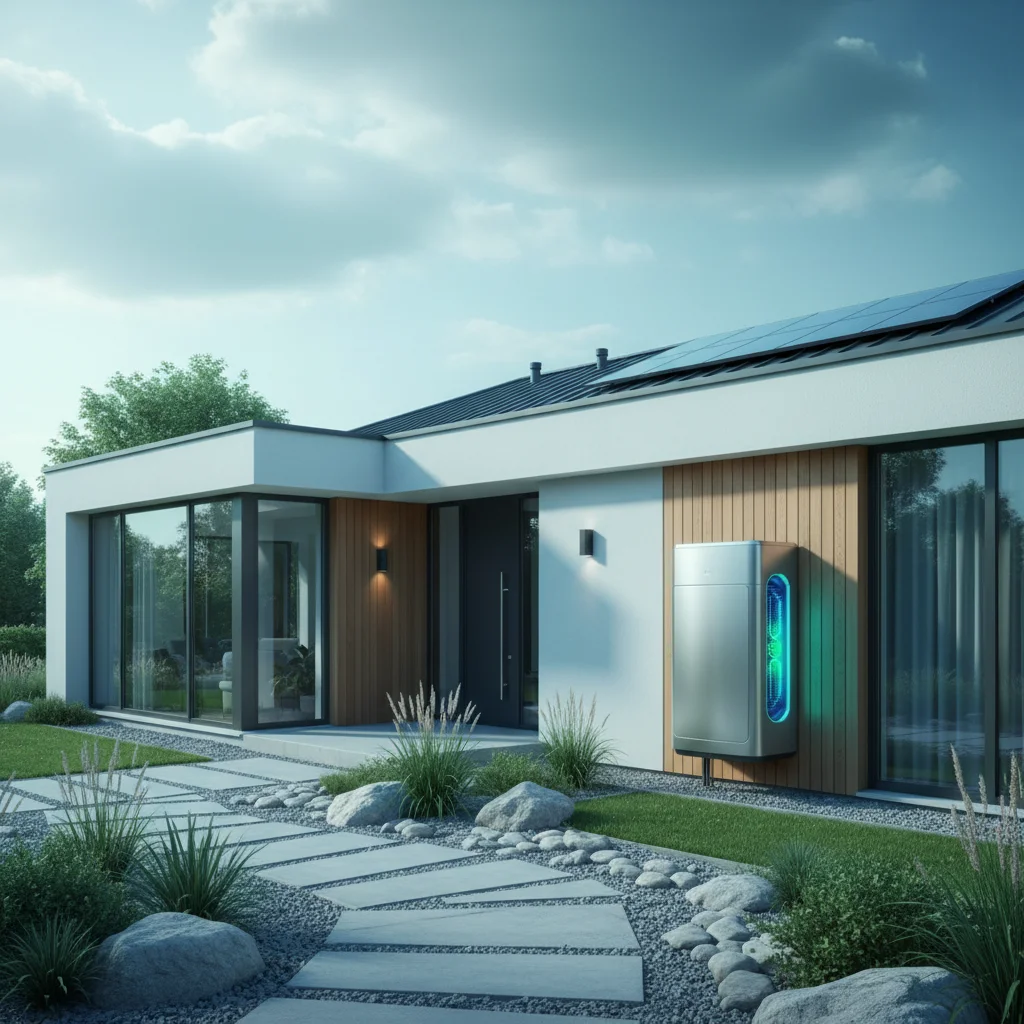
A new heat pump system costs between $5,000 and $20,000 installed—and in 2026, homeowners can finance up to 100% of that cost through federal rebates, utility incentives, and low-interest loans that didn't exist two years ago.
What Climate Zones Are Best Suited for Heat Pump Financing?
Heat pump financing programs in 2026 prioritize Climate Zones 3-5 across California, where air-source heat pumps maintain efficiency ratings above 300% even during winter months. These zones cover 78% of California's population and qualify for the highest rebate tiers under state and utility programs. The federal Energy Efficient Home Improvement Credit (Section 25C) ended for property placed in service after December 31, 2025 (IRS FS-2025-05). Federal tax credits for this work have ended, but state, local and utility rebates may still apply; check what is available at your address with the DuloCore rebate calculator.
And homeowners in coastal Climate Zones 3-4 see the fastest return on financed systems—typically 6-8 years—because heating and cooling demands stay moderate year-round. But inland Zone 5 properties in the Central Valley require oversized systems that cost $3,000-$6,000 more upfront, extending payback periods to 9-12 years even with maximum financing incentives.
So climate zone classification determines both the system size homeowners finance and the total rebate amount they receive. Zone-specific requirements appear in every major financing program including the federal Home Efficiency Rebates and California's TECH Clean California initiative.
How Do Heat Pump Financing Options Compare to HVAC Alternatives?
Heat pump financing in 2026 offers zero-interest loans through California utilities while conventional HVAC financing carries 6.5%-12% APR through retail installers. Federal rebates cover 30% of heat pump costs but don't apply to gas furnaces or central air conditioners. And the total financing gap reaches $4,000-$8,000 over a typical 10-year loan term.
| System Type | Average Cost | Federal Rebate | Typical APR | 10-Year Total Cost |
|---|---|---|---|---|
| Air-Source Heat Pump | $8,000-$15,000 | $2,000-$8,000 | 0%-4.5% | $6,000-$11,000 |
| Gas Furnace + AC | $7,000-$12,000 | $0 | 6.5%-12% | $9,500-$19,000 |
| Geothermal Heat Pump | $15,000-$25,000 | $4,500-$15,000 | 0%-5.5% | $12,000-$18,000 |
But geothermal systems require upfront investment of $15,000-$25,000 even with financing, making air-source heat pumps the most accessible option for households earning below $100,000 annually. Or homeowners can combine heat pump financing with energy tax credits to reduce total project costs by 40%-50%.
"Heat pumps can reduce electricity use for heating by approximately 50% compared to electric resistance heating such as furnaces and baseboard heaters." — ENERGY STAR
What's the Average Lifespan of a Heat Pump and How Does It Affect Financing?
Air-source heat pumps installed in 2026 carry manufacturer warranties of 10-15 years and operational lifespans of 15-20 years when maintained properly. Financing terms match these lifespans—the longest available loans run 15 years through PACE (Property Assessed Clean Energy) programs that attach to property tax bills. And homeowners who finance the full system cost still own equipment with 5-10 years of useful life remaining after loan payoff.
Cold-climate heat pumps in California's Zone 5 regions typically need compressor replacement at year 12-14, costing $1,200-$2,500 even under warranty. But these systems still outlast gas furnaces by 3-5 years, and replacement parts remain available for models manufactured after 2020 under federal efficiency standards.
So financing decisions in 2026 account for total ownership costs including maintenance, repairs, and eventual replacement. Programs like California's TECH Clean California offer extended warranties when systems get financed through participating contractors, adding 5 years of coverage beyond manufacturer guarantees.
What Heat Pump Financing Programs Are Available in 2026?
Federal Home Efficiency Rebates launched in January 2026 provide $8,000 for heat pump installations in low-income households earning below 80% of area median income. California's TECH Clean California offers zero-interest financing up to $15,000 with 10-year repayment terms through participating utilities. And local programs through PG&E, SCE, and SDG&E add $2,000-$4,500 in instant rebates that reduce the amount homeowners finance.
PACE financing remains available in 38 California counties with loan amounts reaching $25,000 for comprehensive HVAC upgrades including heat pumps, ductwork, and insulation. Or homeowners earning above income limits can access conventional financing through FHA Energy Efficient Mortgages at 4.5%-6.8% APR for terms up to 20 years.
But the highest-value programs combine multiple funding sources—federal rebates plus utility incentives plus zero-interest loans. This stacking approach reduces out-of-pocket costs to $2,000-$5,000 for systems that cost $12,000-$18,000 without financing. Use our free rebate calculator to find your exact savings across all available programs.
How Much Can You Finance for a Heat Pump Installation?
Maximum financing amounts in 2026 range from $8,000 for basic air-source heat pump systems to $25,000 for geothermal installations with complete ductwork replacement. Federal Home Efficiency Rebates cap at $8,000 per household, while California TECH Clean California financing reaches $15,000 through utility programs. And PACE loans don't impose maximum limits—homeowners can finance 100% of eligible energy efficiency improvements including heat pumps, insulation, windows, and solar.
So the total financeable amount depends on household income, property location, and the scope of HVAC improvements. Low-income households earning below 80% AMI qualify for the highest federal rebates of $8,000 that don't require repayment. Moderate-income households at 80%-150% AMI receive $4,000 in federal funding plus utility rebates of $2,000-$4,500.
And homeowners who combine federal rebates with zero-interest utility financing reduce their total borrowing costs by $3,000-$7,000 compared to conventional HVAC loans. But financing approval requires credit scores above 640 for utility programs or above 580 for PACE loans attached to property tax bills.
What Are the Eligibility Requirements and Application Deadlines?
Federal Home Efficiency Rebate eligibility requires household income verification against HUD area median income tables—80% AMI for maximum rebates or 150% AMI for reduced amounts. California TECH Clean California programs accept applications year-round but prioritize low-income households in disadvantaged communities identified by CalEnviroScreen 4.0 mapping. And utility rebate programs through PG&E, SCE, and SDG&E operate on annual budget cycles that typically exhaust funds by September-October each year.
Applications require contractor quotes, equipment specifications showing ENERGY STAR certification, and proof of homeownership through property tax records. PACE financing applications need property equity of at least 10% and no existing tax liens or delinquencies. Or homeowners can pre-qualify for utility financing online through program portals that verify income and property eligibility within 48-72 hours.
But program deadlines change annually based on federal and state budget allocations. The current federal rebate program runs through 2032, while California TECH Clean California received $120 million in 2026 funding expected to serve 8,000-12,000 households. So early application in January-March maximizes approval chances before funds run out.
Official Sources
- U.S. Department of Energy - Energy Saver — Federal guidance on energy efficiency rebates and heat pump financing programs (note: the federal 25C credit ended for property placed in service after December 31, 2025)
- ENERGY STAR Heat Pumps — Efficiency standards, performance data, and qualified product lists for rebate eligibility
- DSIRE Database — Comprehensive state and utility incentive database with California-specific heat pump financing programs
Frequently Asked Questions
What are the current heat pump financing options available?
In 2026, homeowners access federal Home Efficiency Rebates up to $8,000, California TECH Clean California zero-interest loans up to $15,000, utility instant rebates of $2,000-$4,500, and PACE financing reaching $25,000 for comprehensive upgrades. The federal Energy Efficient Home Improvement Credit (Section 25C) ended for property placed in service after December 31, 2025 (IRS FS-2025-05). State and utility programs operate on annual budgets that typically exhaust by fall each year.
How do I qualify for heat pump financing programs?
Qualification requires household income at or below 150% of HUD area median income for federal rebates, with the highest $8,000 tier limited to households below 80% AMI. Property owners need credit scores above 640 for utility financing or above 580 for PACE loans. And all programs require ENERGY STAR-certified equipment installed by licensed contractors.
What is the maximum amount I can finance for a heat pump installation?
Maximum financing reaches $8,000 through federal rebates that don't require repayment, $15,000 through California utility zero-interest loans, or $25,000 through PACE programs with 15-year terms. Homeowners who stack multiple programs can finance 100% of installation costs ranging from $8,000-$20,000 depending on system size and complexity.
Are there deadlines for heat pump financing rebates and incentives?
Federal Home Efficiency Rebates remain available through 2032 with no annual deadline. California TECH Clean California accepts applications year-round but exhausts annual funding by September-October in most utility territories. And utility instant rebates operate on fiscal year budgets running July 1-June 30 with mid-year funding pauses when budgets run low.
How do heat pump financing options compare to other HVAC financing programs?
Heat pump financing offers zero-interest loans through utilities while gas furnace financing carries 6.5%-12% APR through retail installers. Federal rebates cover 30% of heat pump costs but exclude conventional HVAC systems. And the total 10-year cost gap reaches $3,500-$8,000 in favor of financed heat pumps versus financed gas systems. Learn more about available heat pump rebates and how they stack with financing programs.
Ready to find out how much you can save? California homeowners who install heat pumps in 2026 qualify for rebates and financing that reduce upfront costs by 40%-60%. Use our rebate calculator to get your exact savings across all federal, state, and utility programs—it takes less than 2 minutes and shows you every dollar you're eligible to receive.
Updated: April 14, 2026 — fact-checked by DuloCore Research. About our editorial process.
Check your California heat pump rebate eligibility — see the programs you qualify for and the dollar amounts on our California heat pump rebate finder.