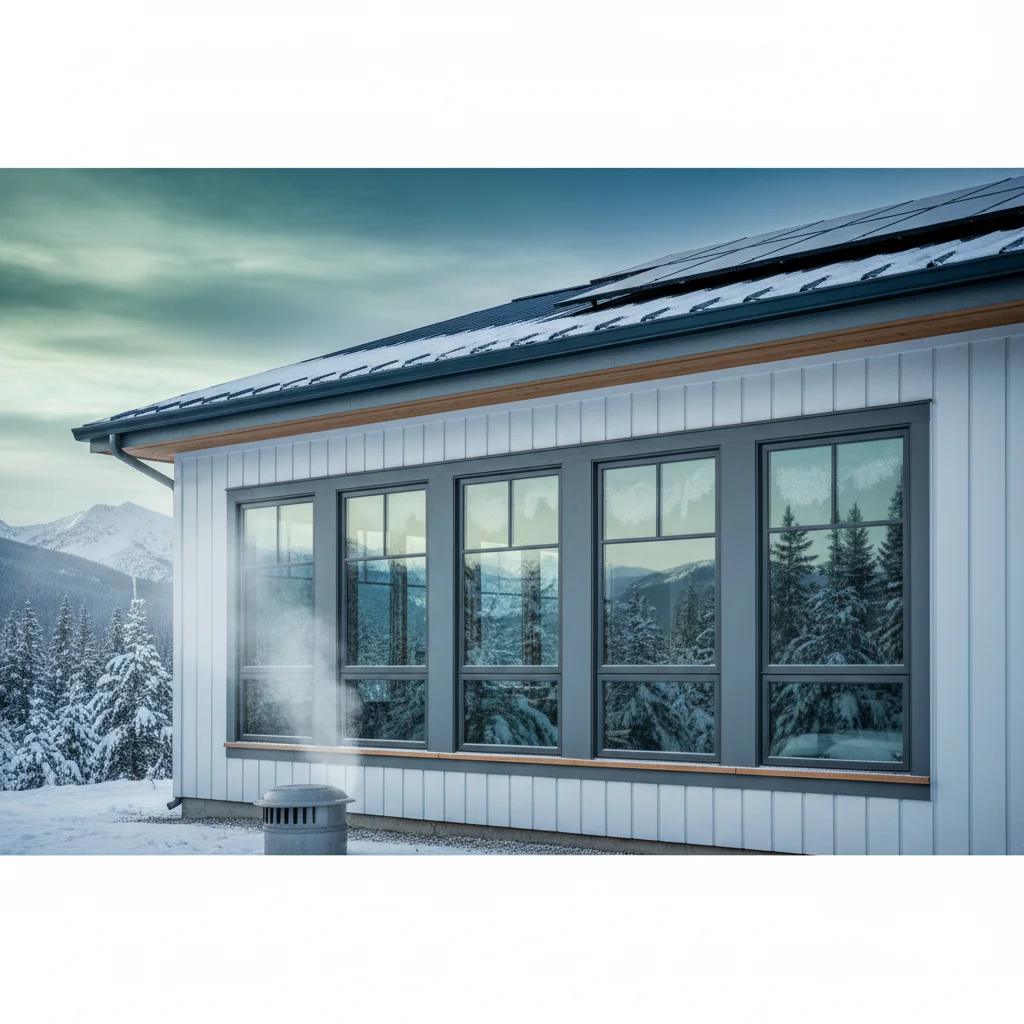
Up to 30% of a home’s heating energy escapes directly through inefficient windows, a financial drain that intensifies with every winter storm. In regions where sub-zero temperatures are the norm, old single-pane or poorly sealed double-pane windows aren't just drafty; they are active drains on your bank account and comfort. So replacing them isn't merely a cosmetic upgrade. And it’s a critical infrastructure investment that directly combats skyrocketing energy bills.
What Key Efficiency Ratings Make a Window Best for Your Cold Climate Zone?
High-performance windows for cold climates are defined by a U-factor of 0.22 or lower and a Solar Heat Gain Coefficient (SHGC) tailored to the region. So these ENERGY STAR® certified windows for the Northern Climate Zone use advanced glazing and gas fills to reduce heat loss by 30-40%.
The two most critical metrics on a window's NFRC label are the U-factor and the Solar Heat Gain Coefficient (SHGC). U-factor measures how well a window prevents heat from escaping, with a lower number indicating better insulation. For northern U.S. climate zones, a U-factor of 0.22 or less is essential for peak performance. But SHGC measures how much solar radiation a window lets in. In cold climates, a higher SHGC (above 0.30) is often beneficial, as it allows passive solar heat to warm the home during winter, reducing the load on your heating system. ENERGY STAR's Northern Zone certification requires a U-factor ≤ 0.22, a standard that ensures top-tier thermal performance. And these specifications are often prerequisites for qualifying for valuable window replacement rebates.
So why does this precision matter? The Department of Energy estimates that heat loss and gain through windows are responsible for 25%–30% of residential heating and cooling energy use. For a homeowner in a cold climate, that translates to hundreds of dollars in wasted heating fuel each winter. And upgrading to windows that meet these specific efficiency ratings directly cuts that waste, delivering annual energy savings of $125 to $500.
Which Window Brands Offer the Highest Performance for Extreme Cold?
Leading window brands like Marvin, Andersen, and Pella offer specific product lines designed for extreme cold, featuring triple-pane glass with krypton gas fills that achieve U-factors as low as 0.18. These windows exceed 2026 ENERGY STAR Northern Zone requirements, ensuring maximum thermal performance and rebate eligibility.
When selecting windows for sub-zero conditions, brand reputation is built on proven performance. Marvin’s Ultimate and Elevate collections offer tripane glazing options that deliver exceptional thermal efficiency. So Andersen’s 400 Series and A-Series windows provide advanced Low-E4 glass coatings optimized for cold climates, which block heat loss while allowing passive solar gain. And Pella’s Lifestyle and 350 Series feature triple-pane glass and foam-insulated frames that drastically reduce thermal transfer. These brands use durable frame materials like fiberglass and vinyl composites that won't crack or warp under extreme temperature fluctuations. But choosing a product line specifically engineered for cold regions is the key to unlocking both energy savings and long-term durability.
What is the Typical Cost of Energy-Efficient Windows and Professional Installation?
The typical cost for a high-performance replacement window in 2026 ranges from $800 to $2,000 per unit, including professional installation. So a whole-home project involving 10-15 windows often falls between $10,000 and $25,000, depending on frame material, glazing, and local labor rates.
The final price tag is a composite of several factors. The window itself accounts for the bulk of the cost, with triple-pane, krypton-filled fiberglass windows at the higher end ($1,500+) and double-pane, argon-filled vinyl windows at the lower end ($800+). And professional installation adds another $150 to $400 per window, a necessary expense to ensure an airtight seal that prevents drafts and moisture intrusion. So while DIY is an option for some, improper installation negates the window's efficiency benefits and voids most manufacturer warranties. Homeowners can estimate their project costs and potential savings by using a free rebate calculator to factor in available incentives.
How Can Rebate-Eligible Window Specs Lead to ROI and a Faster Payback Period?
Windows meeting 2026 rebate specifications, like a U-factor of 0.22 or lower, qualify for federal tax credits and utility rebates that reduce net project costs by up to 30%. So this financial assistance shortens the typical 15-year payback period to as little as 8-12 years through combined savings.
The financial case for high-performance windows is compelling. The 2026 Inflation Reduction Act provides federal energy tax credits covering 30% of the project cost, up to a maximum of $600 for windows. And many state and utility programs offer additional rebates, often between $50 and $200 per window.
For a $15,000 window replacement project, this can mean a $600 federal credit plus $1,000-$2,000 in local rebates, immediately lowering the out-of-pocket cost. So when combined with annual energy savings of up to $500, the return on investment is achieved years faster than without incentives.
Cold Climate Window Rebate Comparison
| Program Name | Max Amount (2026) | Key Eligibility | 2026 Deadline |
|---|---|---|---|
| Federal IRA Tax Credit | Ended Dec 31, 2025 | — | Ended Dec 31, 2025 |
| State Clean Energy Fund | $1,500 - $5,000 total | Varies by state; often requires energy audit | Varies; check DSIRE |
| Local Utility Rebate | $50 - $200 per window | Must be utility customer; specific U-factor | Typically annual programs |
How Do Cold Climate Window Alternatives Compare in Lifespan and Maintenance Needs?
Fiberglass windows offer the best performance in cold climates, with a 50+ year lifespan and minimal maintenance. But vinyl provides a 20-40 year lifespan with low upkeep. And wood frames, while offering excellent insulation, require repainting every 3-7 years to achieve their 30+ year lifespan.
Choosing the right frame material is a balance of performance, longevity, and maintenance tolerance. Fiberglass is the top performer; its low expansion and contraction rate prevents seals from breaking in extreme temperature swings, and it never needs painting. So it's the most durable, hands-off option. High-quality vinyl is a cost-effective alternative that also requires little maintenance, though it can become more brittle over several decades of exposure to sub-zero temperatures. But wood frames provide superior natural insulation. They demand the most maintenance, requiring regular scraping, sanding, and refinishing to prevent rot and decay, a commitment some homeowners prefer to avoid. This is similar to the long-term thinking needed for investments like heat pump rebates.
Official Sources
- ENERGY STAR Windows Program — Official criteria and product lists for windows that qualify for federal programs.
- DSIRE Database of State Incentives — A comprehensive, state-by-state database of rebates and tax credits for energy efficiency upgrades. (note: the federal 25C and 25D credits ended for projects completed after December 31, 2025)
Related Reading: Learn more about Storm Windows Vs Replacement Windows.
Frequently Asked Questions
What type of window glass is most effective for extreme cold climates?
Triple-pane glass with two low-emissivity (Low-E) coatings and a krypton gas fill is the most effective glazing for extreme cold. This configuration achieves a U-factor below 0.20, drastically reducing heat loss compared to standard double-pane windows. Krypton is denser than argon, providing superior insulation in the narrower gaps between triple panes.
What U-factor is considered excellent for windows in very cold regions?
A U-factor of 0.22 or lower is considered excellent for windows in very cold regions like the ENERGY STAR Northern Climate Zone. Top-tier performance windows can achieve U-factors as low as 0.18. So this level of insulation minimizes thermal bridging and keeps interior glass surfaces warmer, reducing condensation and improving comfort.
Are triple-pane windows worth the extra cost for cold climate energy rebates?
Yes, for many homeowners in cold climates, the extra 15-25% cost for triple-pane windows is justified. They often provide the performance needed to qualify for the highest-tier utility rebates and the $600 federal tax credit. And the enhanced energy savings and improved home comfort deliver a faster return on the incremental investment, typically within 5-8 years.
Which window frame material performs best in sub-zero temperatures?
Fiberglass frames perform best in sub-zero temperatures. The material has a very low thermal expansion rate, similar to glass, so the frame and panes expand and contract together. This prevents seal failure, air leaks, and stress cracks that can affect vinyl or wood frames during extreme temperature swings, ensuring a lifespan of 50+ years.
How does window installation impact energy efficiency in cold weather?
Proper installation is critical; it accounts for up to 25% of a window's overall energy performance. A professional installer ensures an airtight seal using appropriate flashing, insulation, and sealants. So this prevents cold air infiltration and moisture damage around the frame. An improper installation can create drafts that completely negate the benefits of a high-efficiency window.
Last updated April 14, 2026 — reviewed by DuloCore Editorial. About our authors.
Check your California insulation rebate eligibility — see the programs you qualify for and the dollar amounts on our California insulation rebate finder.